Selling a rental house, duplex or small apartment building in Saskatoon? See how I price and market investment properties for the buyers who actually purchase them.
What Could Your Saskatoon Investment Property Sell For Right Now?
Book a free in-person walkthrough and get a real number based on what has actually closed on comparable investment properties in Saskatoon, not a portal estimate.
Free, private, and there is no obligation to list afterward.
Saskatoon has a working investment-property market that spans single-family rentals in older neighbourhoods, up-down duplexes on both sides of the river, and small multi-unit residential buildings held by local operators. Every one of those groups draws a different buyer, values differently, and needs different paperwork ready before the sign goes up. Buyers for revenue property underwrite the numbers first: rent roll, expenses, tenancy status, and condition, in that order. Vague or missing documentation is where most investor deals stall.
I work as a listing-side REALTOR® in Saskatoon, and this page is written for investment-property owners. Below, you will see how the three main revenue-property groups differ, how a list price is built from real recent closings and local yields rather than a portal number or a national cap-rate rule of thumb, and how the daily performance reporting you receive between showings works.
Types of Saskatoon Investment Properties I List
Not every Saskatoon investment property behaves the same way on the market. The three groups below draw different buyers, need different documentation prepared ahead of time, and are priced against different comparables. Naming which group your property sits in is the first honest pricing conversation.
Single-family homes held as rentals
Detached houses used as long-term rentals sell to two different pools at the same time: investors comparing your unit against other rentals on yield, and end-users who want to occupy the home themselves. The listing has to speak to both audiences with credible rent roll, expense summaries, and tenancy history for the investor side, and honest photography, floor plans, and marketing for the end-user side. Vacancy timing, if you have any flexibility with the tenants, is often the biggest lever on how the listing performs.
Up-down duplexes and side-by-side legal duplexes
Duplexes are the workhorse of the Saskatoon small-investor market. Buyers here range from first-time investors underwriting one side of the property while occupying the other, to seasoned operators comparing two-unit yield against a small multi-unit building. Documentation matters more here than on a single-family rental: signed leases for each side, rent history, utility split, separate meters where they exist, and any Regulation 2 or occupancy paperwork should be organised before the listing goes live.
Small multi-unit residential buildings and suited homes
Three-to-eight-unit residential buildings and homes with a legal or non-legal basement suite live in their own pricing world. Small multi-unit buildings are underwritten on trailing 12-month rent and expense data with a cap-rate view, and suited homes are underwritten as a hybrid of end-user value and rental income. Both benefit from a clean, organised financial package delivered at listing rather than assembled during conditions.
How Your Investment Property Listing Reaches Saskatoon Buyers
An MLS® listing feeds every agent and portal that matters, but a feed alone will not make your investment property stand out from the other similarly styled listings landing that same week. The layer that follows is added on top of every Braaten Group investment property listing.
01
Professional Photography
Composed, well-lit interior and exterior images that hold up against the many similarly styled investment properties a buyer will be comparing yours to.
02
Aerial Photos & Video
Drone footage that shows the property in its Saskatoon setting, the block it sits on, and the way the yard, parking, or building entrance reads from above.
03
Virtual Tours & Floor Plans
A 360° walkthrough and floor plan built for buyers relocating from out of province or another city who need to shortlist Saskatoon investment properties before they arrive.
04
Facebook, Instagram & WhatsApp Marketplace
Paid social placements aimed at Saskatoon buyers who are already shopping for investment properties on their phones.
05
YouTube Pre-Roll Advertising
Video ads placed ahead of content your likely buyer is already watching, rather than a generic broadcast to anyone in the region.
06
Sponsored Google Search
Priority placement the moment a buyer searches for a Saskatoon investment property in the price bracket your listing sits in, when purchase intent is highest.
07
Google Display Network
Ongoing visibility across apps, Gmail, and other websites so your listing keeps appearing to buyers who viewed it once but have not yet booked a showing.
08
ChatGPT Paid Ads
Sponsored placement inside AI chat tools, reaching buyers (including relocating ones) who are now researching Saskatoon investment properties in conversation rather than a search box.
Where a Saskatoon Investment Property Listing Actually Gets Seen
A broad marketing plan is only useful if the site it points buyers to actually has traffic. Every Century 21 Fusion listing, and yours if you list your Saskatoon investment property with me, appears on kentbraaten.com, and the audience gap between that site and a typical brokerage site is significant.
Put simply: kentbraaten.com sees roughly 23 times more monthly sessions and about 79 times more monthly page views than the average Canadian brokerage website. A Saskatoon investment property marketed here reaches a much larger, already-engaged buyer audience than the typical brokerage page ever will.
Daily Reporting on Your Saskatoon Investment Property Listing
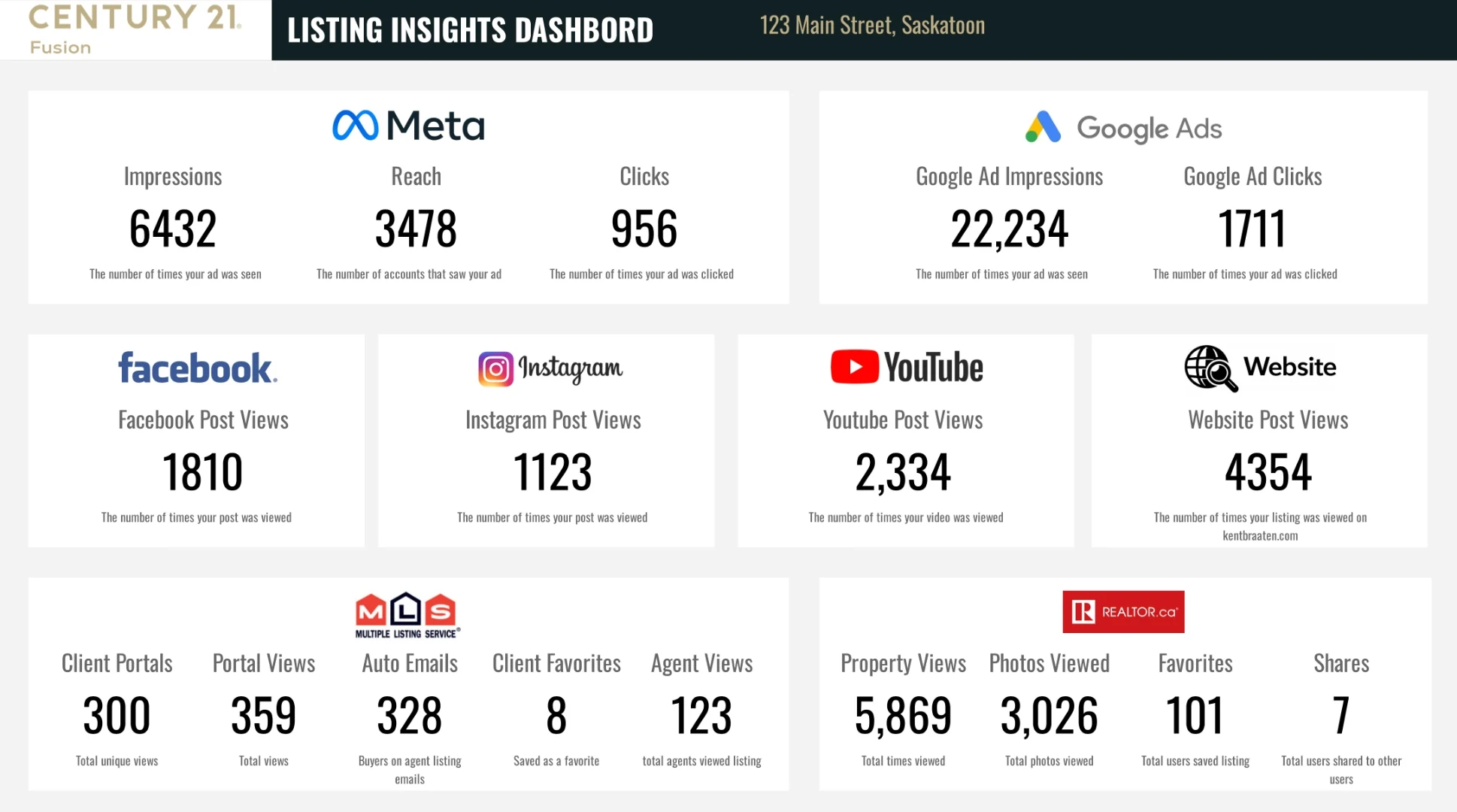
Sellers do not usually complain about the price; they complain about silence between showings. To take that uncertainty off the table, every listing I take on ships with a live Listing Insights Dashboard built in Google Looker Studio, wired straight into the ad platforms and boards driving your campaign.
Sample dashboard shown for illustration only. The figures come from another Saskatoon-area listing, not your investment property. Your own dashboard reports live numbers for your address and refreshes daily.
The dashboard reports paid ad impressions and clicks, social and video post views, MLS® client portal and agent activity, and REALTOR.ca views, favourites, and shares, each pulled straight from the source platforms rather than assembled after the fact. You see exactly what I see, refreshed daily, without needing to call and ask how things are going.
Why Selling a Investment Property in Saskatoon Is Different
An investment-property listing in Saskatoon is a documentation exercise as much as a marketing exercise. Buyers and their lenders want to see rent rolls, signed leases, expense history, utility bills, tax bills, insurance information, and any regulation or permit paperwork before writing a serious offer. Sellers who wait until conditions to assemble this material often lose the deal to another property that arrived pre-packaged, or watch the price get chipped in negotiation for uncertainty.
Tenancy status is one of the biggest quiet levers on how a Saskatoon investment property sells. A vacant unit at the right time of year opens the buyer pool to end-users, which usually widens the pool and often lifts the offer. A stable long-term tenant on a market-rate lease is worth its weight to an investor. A tenant on a well-below-market lease with strong tenure protections is a different conversation again. Naming the situation plainly up front is faster than surprise in condition period.
Saskatchewan's tenancy rules govern showings, notice, and any change in occupancy, and a listing plan that ignores those rules risks the deal, the tenant relationship, and the reputation of the property. Access is coordinated with tenants respectfully, and marketing timing is planned around what is legally possible rather than what is convenient.
Small multi-unit buildings compete for a narrow but real pool of local buyers who track every property that hits the market. Marketing has to lead with numbers because that is what the buyer is running first, and the presentation package needs to look like an investor package, not a residential brochure, so the buyer takes the file seriously.
Pricing a Saskatoon Investment Property Realistically
Investment-property pricing in Saskatoon is a two-lane exercise. Small multi-unit buildings and pure rentals are underwritten primarily on trailing rent and expense numbers with a cap-rate view. Suited homes and single-family rentals are underwritten as a hybrid: an investor-yield number on one side, and an end-user comparable-based number on the other, with the list price landing somewhere that both audiences can defend.
Region-wide benchmark prices published by the Saskatchewan REALTORS® Association apply to the entire Saskatoon-Biggar region and pool every property style. National cap-rate rules of thumb, likewise, apply to national data and do not reflect what Saskatoon buyers are actually paying this quarter. Neither is a substitute for a serious CMA anchored in real closings inside the local investor pool.
I bring closed-sale data from comparable investment properties, plus a view of what your building would be sitting beside on the MLS® the week it goes live, to your in-person evaluation. That combination is what makes a list price defensible under a buyer's and a lender's scrutiny.
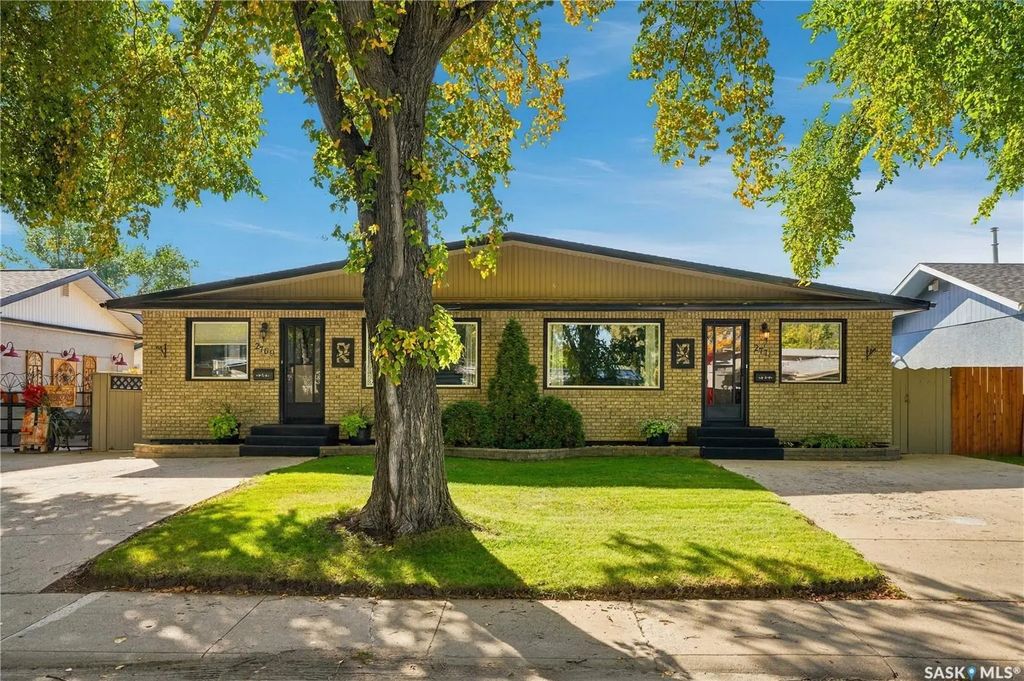
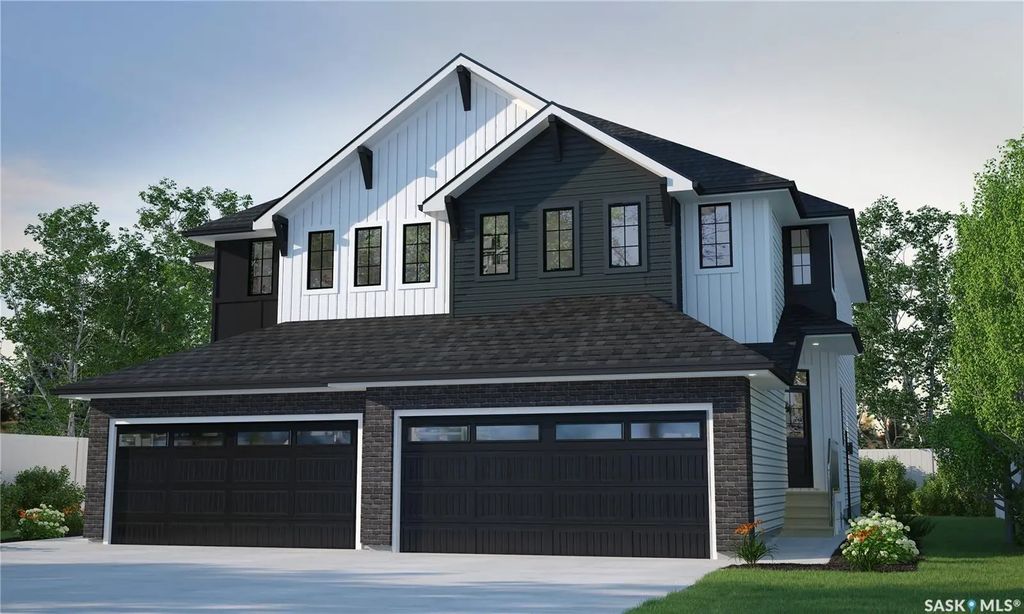
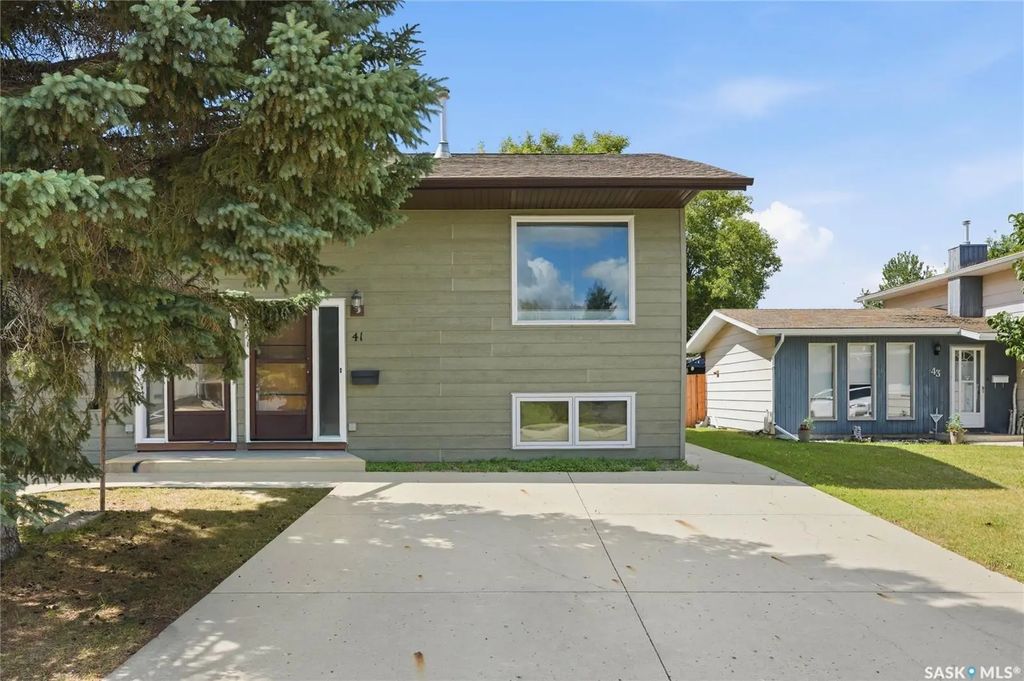
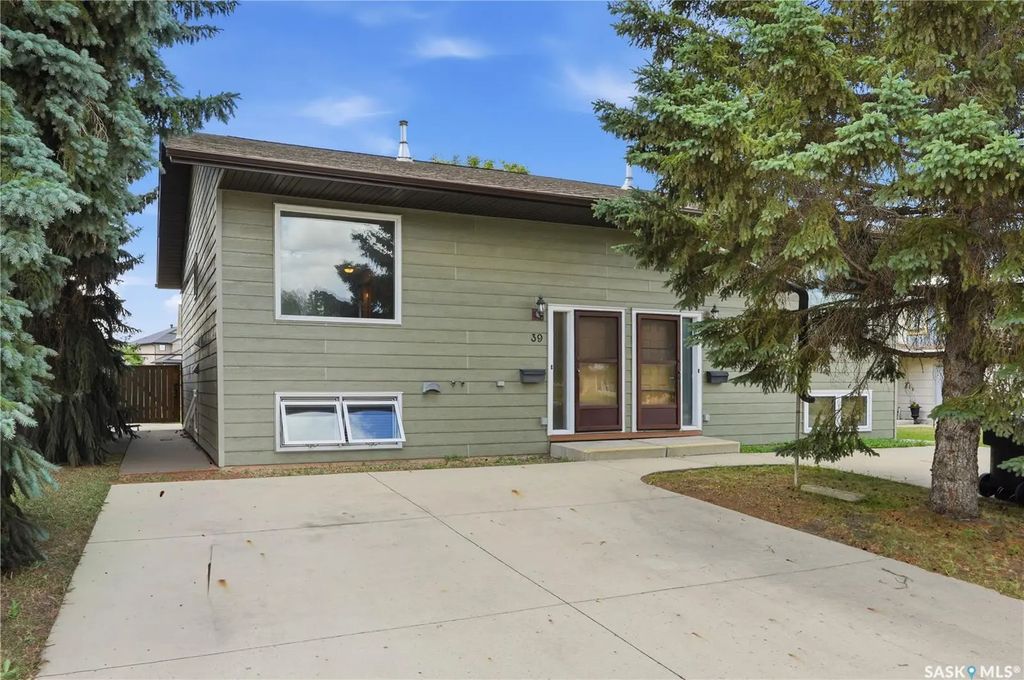
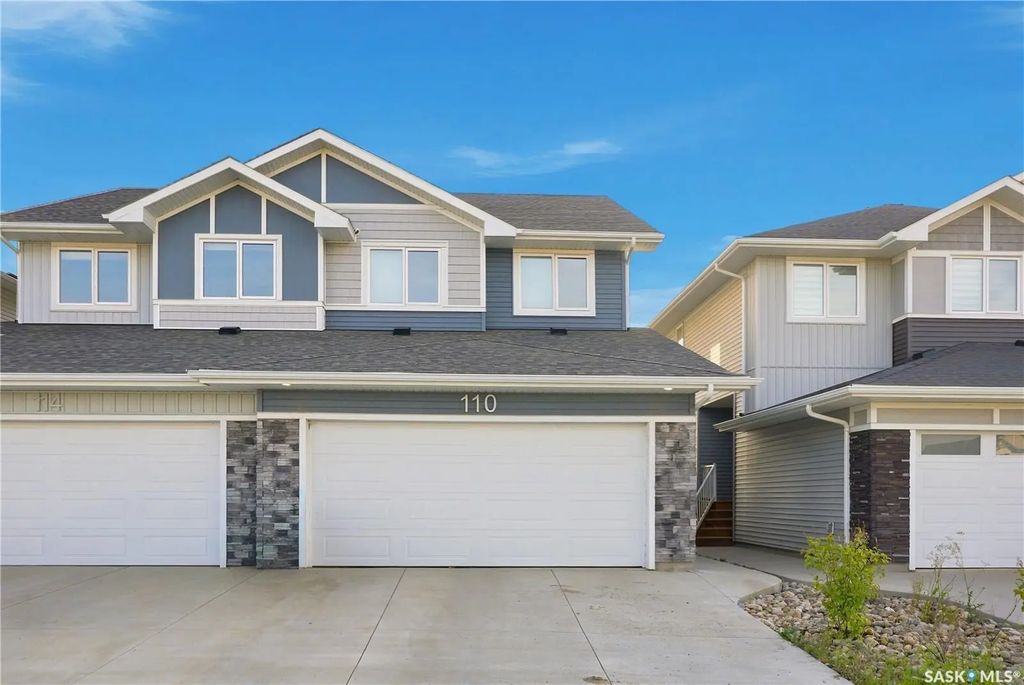
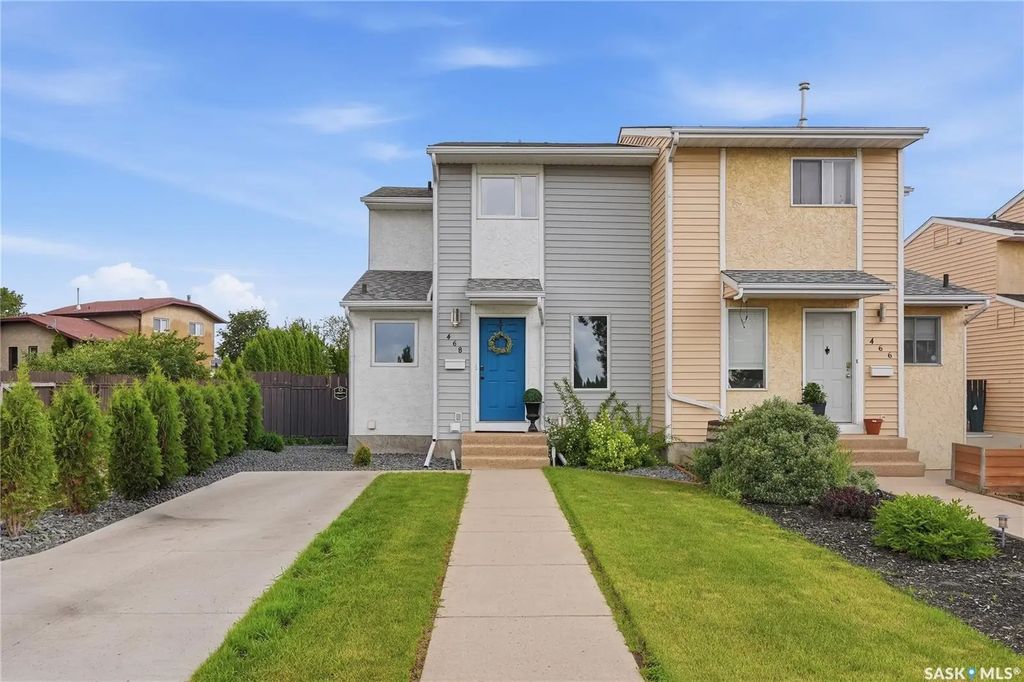
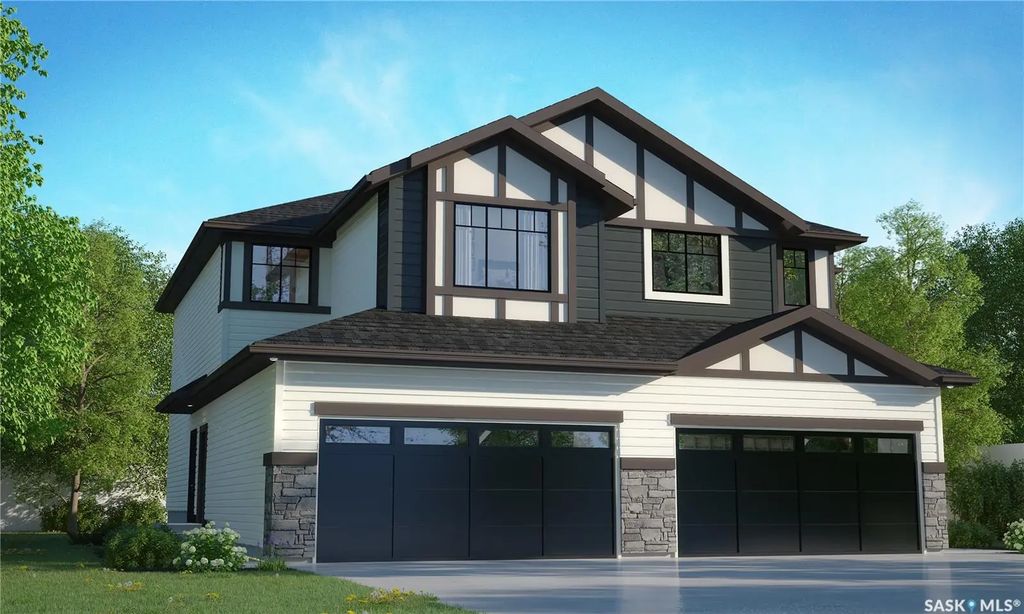
These are current asking prices on Saskatoon investment-style listings, not closed sale figures, and they are only half the picture. What a revenue property actually sells for depends on rent roll, expense history, tenancy status, and condition. I bring the closed-sale side of that comparison to your in-person evaluation.
Who Is Buying Saskatoon Investment Properties
The Saskatoon investment-property buyer pool is smaller than the residential pool but active and knowledgeable. It splits into a few groups: first-time investors buying their first rental or duplex, seasoned local operators expanding a small portfolio, out-of-town investors underwriting the city from a spreadsheet, and end-users on suited homes and duplexes who want the mortgage helper on one side while they live in the other.
Each group reads a listing differently. First-time investors focus on total carrying cost, financing options, and how straightforward the tenancy would be to inherit. Seasoned operators focus on yield, expense reality, and where the upside is. Out-of-town investors work from spreadsheets, photos, and video, so a strong media package matters as much as a strong numbers package. End-user buyers on suited homes weigh the residential experience heavily and need photography and copy that respect both audiences.
Lender treatment is a real factor. Rental properties, duplexes, and small multi-unit buildings all get financed differently, and a buyer with rental income limits will price the property differently than a cash-heavy investor. Presentation that anticipates the lender file, not just the buyer, tends to move offers to firm faster.
Knowing which pool your specific listing actually competes in shapes the price, the media plan, and where the ad dollars go. A single-family rental in a family neighbourhood is not marketed the same way as a five-unit apartment building in the core.
What Sellers Say About Working With Kent
The quotes below come from Kent's clients across the greater Saskatoon area, from a range of property types rather than one style. They describe how the listing process, marketing, and reporting actually feel to a seller from the first conversation through to closing.
Kent was the best choice to sell our home. His presentation was professional, his strategy was clear, and his marketing went far beyond simply putting our house on REALTOR.ca and placing a sign in the yard. We felt confident throughout the entire process and would highly recommend Kent to anyone looking to sell their home.
Adam Kitter — seller, Evergreen neighbourhood, Saskatoon
Kent did an amazing job marketing our property. It was an investment property and we wanted to get maximum value out of it. His feedback and marketing strategy made the whole process easy, and the Listing Insights Dashboard kept us informed and relaxed from start to finish.
101216879 Sask Ltd. — investment property seller
We were moving out of province for work, and Kent made the selling process seamless and stress-free. You could really tell the difference his planning and marketing made throughout the process.
Dustin Ratzlaff — relocated out of province
Awards and Recognition
None of these replace a good comparative market analysis, but they reflect a track record built over many closings rather than a single strong year.
3×Centurion ProducerCentury 21 North American award for top producers
11×Masters AwardCentury 21 Canada recognition for top producers
2019Top Listing AgentCentury 21 Fusion, Saskatoon
The Centurion Producer award has been earned three times, the Masters Award eleven times, and in 2019 the Top Listing Agent title at Century 21 Fusion specifically recognized listing-side production, the side of the business that determines how well a seller's home is marketed and priced.
Preparation on a investment property in Saskatoon has less to do with hiding age and more to do with organising the details a buyer, their lender, and their lawyer will ask about within the first week. Before your listing goes live, focus on:
Assembling the financial package early: rent roll, signed leases, expense history for the past 12 to 24 months, utility bills, tax bills, and insurance information.
Confirming any Regulation 2, occupancy permit, HRAI/HVAC certifications, and electrical or plumbing permits for suited or renovated properties.
Photographing the property with tenant cooperation, planned with proper notice under Saskatchewan tenancy rules, so common areas and shared spaces show at their best.
Coordinating showings with tenants respectfully and grouping them where possible to reduce disruption.
Addressing deferred maintenance items that a lender's appraiser or a buyer's inspector will flag, especially roof, furnace, hot water, and electrical panel condition.
Confirming utility metering (which units are separately metered, which are shared) in writing so it can be presented accurately.
Preparing a short summary of any recent capital improvements (roof, furnace, windows, kitchens, bathrooms) with dates and, where possible, invoices.
The Listing Process, Step by Step
Initial conversation: your timeline, your reason for selling, and what a successful outcome looks like for you.
Comparative market analysis: a pricing walkthrough built on recent Saskatoon sold data, weighted to properties genuinely comparable to yours.
Preparation plan: a short, prioritised list of what is worth doing before photography, and what is not.
Paperwork: listing agreement, disclosures, and timeline confirmed in writing before anything goes public.
Media day: photography, floor plans, drone footage, and any video once the property is ready to show its best.
Launch: MLS®, kentbraaten.com, signage, and paid promotion all go live together.
Showings and feedback: coordinated access with honest reporting on what buyers are saying.
Offer review: price, conditions, deposit, financing, and closing date evaluated together, with a clear recommendation from me.
Conditions through closing: inspection, financing, and lawyer coordination managed to keys-in-hand.
Frequently Asked Questions
How is a Saskatoon investment property actually valued?
It depends on the property. Small multi-unit buildings and pure rentals are underwritten primarily on trailing 12-month rent and expense numbers with a cap-rate view, then cross-checked against recent comparable investment sales in Saskatoon. Single-family rentals and suited homes are underwritten as a hybrid: an investor-yield number on one side, and an end-user comparable-based number on the other. The list price sits where both audiences can defend it, so the property attracts serious offers from both pools rather than sitting between them.
What documents do investor buyers want before writing?
Typically: current rent roll, all signed tenancy agreements, rent payment history, expense history for the past 12 to 24 months, utility bills, tax bills, insurance information, and any regulation or permit paperwork for suited or renovated properties. For small multi-unit buildings, add trailing operating statements. Having this material assembled before the listing goes live lets an offer move to firm in days rather than weeks and reduces the chance of a price chip in negotiation for uncertainty.
Should I sell my rental with tenants in place or wait until it is vacant?
It depends on the property and your timeline. A vacant unit at the right time of year widens the pool to end-users, which often lifts the price on a single-family rental or a suited home. A stable long-term tenant on a market-rate lease is worth real money to an investor. A tenant on a well-below-market lease with strong tenure protections is a different conversation. I walk through the specifics at the evaluation so you can decide with numbers on both scenarios rather than a rule of thumb.
How does Saskatchewan tenancy law affect showings on my listing?
Tenants have to be given proper notice before entry for showings, and any change in occupancy is governed by the Residential Tenancies Act. Access is coordinated with tenants respectfully and grouped where possible to reduce disruption. Ignoring these rules risks the deal, the tenant relationship, and the reputation of the property. A well-planned showing schedule keeps everyone whole and keeps the listing moving.
How is a duplex priced differently from a single-family home?
A duplex is underwritten from both an investor angle and, often, an end-user angle where a buyer will live in one side and rent the other. That gives the pricing conversation two comparable pools: other duplexes for the investor lens, and single-family homes for the end-user lens. Utility metering, separate entrances, and the condition of each side all move the number, and the leases in place at the time of sale set the investor floor.
How are small multi-unit buildings priced in Saskatoon?
Primarily on trailing rent and expense data with a cap-rate view that reflects what local investors are actually paying this quarter, then cross-checked against recent comparable multi-unit sales. National cap-rate rules of thumb do not apply cleanly to Saskatoon, and Region-wide benchmark prices from the Saskatchewan REALTORS® Association pool every property style and do not describe a specific building. A serious CMA is anchored in local investor comparables and the building's own numbers.
Do I need to disclose the current rent even if it is below market?
Yes. Rent roll disclosure is standard, and hiding a below-market rent creates a bigger problem in condition period than it solves at listing. A buyer will find the number one way or another, and the honest path is to name the situation up front and let it be priced in cleanly. Sometimes below-market rent on a strong long-term tenant is genuinely a positive to a certain buyer, and framing it accurately from day one attracts the right pool.
Should I sell my Saskatoon investment property before buying my next one?
Sequencing matters more in the investor market than the residential market because financing rules and rental-income treatment differ across lenders. Selling first can free up equity and simplify the buy side. Buying first can lock in a specific opportunity but stretches the file. The right call depends on your lender, your risk tolerance, current inventory, and how motivated you are to buy versus sell. It is worth walking through the specific scenario together.
Does the time of year I list an investment property matter?
For pure rental buildings, the market is fairly steady year-round. For single-family rentals and suited homes where end-users are part of the pool, spring and early summer tend to bring more end-user competition, which can lift the price. Fall and winter thin the end-user pool but concentrate serious investors. Timing is planned with your specific property and tenancy in mind rather than a blanket rule.
What is different about selling a home with a basement suite as an investment?
The listing has to speak to two audiences at once: investors underwriting the two revenue streams and end-users who want the mortgage helper. Documentation for the suite (Regulation 2 status where applicable, permits, occupancy paperwork, HRAI/HVAC certifications, egress compliance) is central to the buyer conversation. See the dedicated Saskatoon Homes with Basement Suite Listing Agent page for a deeper walk-through of that specific property type.
Can I get a value on my Saskatoon investment property without committing to list?
Yes. A free evaluation gives you a current, comparable-based number for planning, refinancing, an estate matter, or a portfolio decision, with no obligation and no cost. For revenue property, the evaluation also walks through the rent-roll and expense assumptions behind the number, so you see the math, not just the answer.
What is my Saskatoon investment property worth in 2026?
There is no honest single number without seeing the property and the numbers. Region-wide benchmark prices from the Saskatchewan REALTORS® Association pool every property style, and national cap-rate rules of thumb do not describe the local investor pool. A real value depends on your rent roll, expense history, tenancy status, condition, and what has actually closed on comparable investment properties in Saskatoon recently. That work happens at the in-person evaluation.
A short introduction to how I work with investment-property sellers across Saskatoon, from single rentals and duplexes to small multi-unit buildings.
If you own a investment property in Saskatoon and are weighing a sale this year, or you just want a current number to plan around, start with a free home evaluation, browse Saskatoon real estate listings, or explore the broader seller resources available on this site.
Your Local Real Estate Agent
About Kent Braaten
My name is Kent Braaten and I would like to thank you for taking the time to look through my
website. As an experienced Realtor I am here to help make the purchase of your new home or
selling your current one as easy as possible.
I grew up in Birch Hills, Saskatchewan and now live in Saskatoon so I understand the local
market. I have experience in the construction industry and this gives me
the added tools to make sure that the home you are buying or selling meets your needs and
certain industry standards.
My knowledge as a Century 21 Fusion Real Estate Agent and personal interest in seeing
you successfully buy or sell in today’s market has been rewarded by the real estate industry.
Can I sell my Saskatoon rental property while tenants are living there?
Yes. Under Saskatchewan's Residential Tenancies Act you can list and sell a rental at any time, and the tenancy stays intact through the sale. If the buyer is another investor, the tenants stay and the lease carries over. If the buyer plans to move in themselves or place a close family member in the home, that owner-use claim triggers a separate two-month notice under the Act, and it can only be served after the sale agreement is firm. Nothing in the listing itself changes the tenant's right to stay until proper notice is given.
How much notice do I have to give a tenant when selling in Saskatchewan?
Listing the property does not require any notice. Ending the tenancy is what requires notice, and the rules depend on the lease. A fixed-term lease cannot be ended early just because you are selling. On a month-to-month tenancy, you can serve a two-month notice for landlord or immediate family use, or the buyer can direct you to serve a two-month owner-use notice, but only after the sale is firm and unconditional. If none of those apply, the tenancy simply transfers to the new owner on closing.
Do I have to give my tenants notice for every showing?
Yes. Section 58 of Saskatchewan's Residential Tenancies Act requires at least 24 hours written notice for every entry, and showings have to happen at a reasonable time, generally between 8 a.m. and 9 p.m. The notice needs to state the reason and the window. In practice we group showings into blocks a few days a week so the tenant is not disrupted every night, and a good virtual tour up front cuts the number of in-person visits down considerably.
Will my Saskatoon rental sell for less because it has tenants?
Sometimes. An owner-occupier buyer usually pays a small discount for a rented home, often three to eight percent below a comparable vacant property, because they have to wait for possession or lose the pool entirely. An investor buyer looks at cap rate rather than sticker price, so a strong long-term tenant on a market-rate lease can actually add value. The right pricing strategy depends on which buyer pool your property fits, and we walk through both scenarios at the evaluation.
What happens to the tenant's security deposit when I sell?
The deposit does not belong to you at closing. Under the Residential Tenancies Act it either transfers to the new owner with interest and a written accounting, or it is returned to the tenant if the tenancy is ending on closing. The transfer is documented in the sale agreement, and both the tenant and the Office of Residential Tenancies should have a clear record of who holds the deposit going forward. Pocketing it or letting it disappear in the closing statement is not an option.