
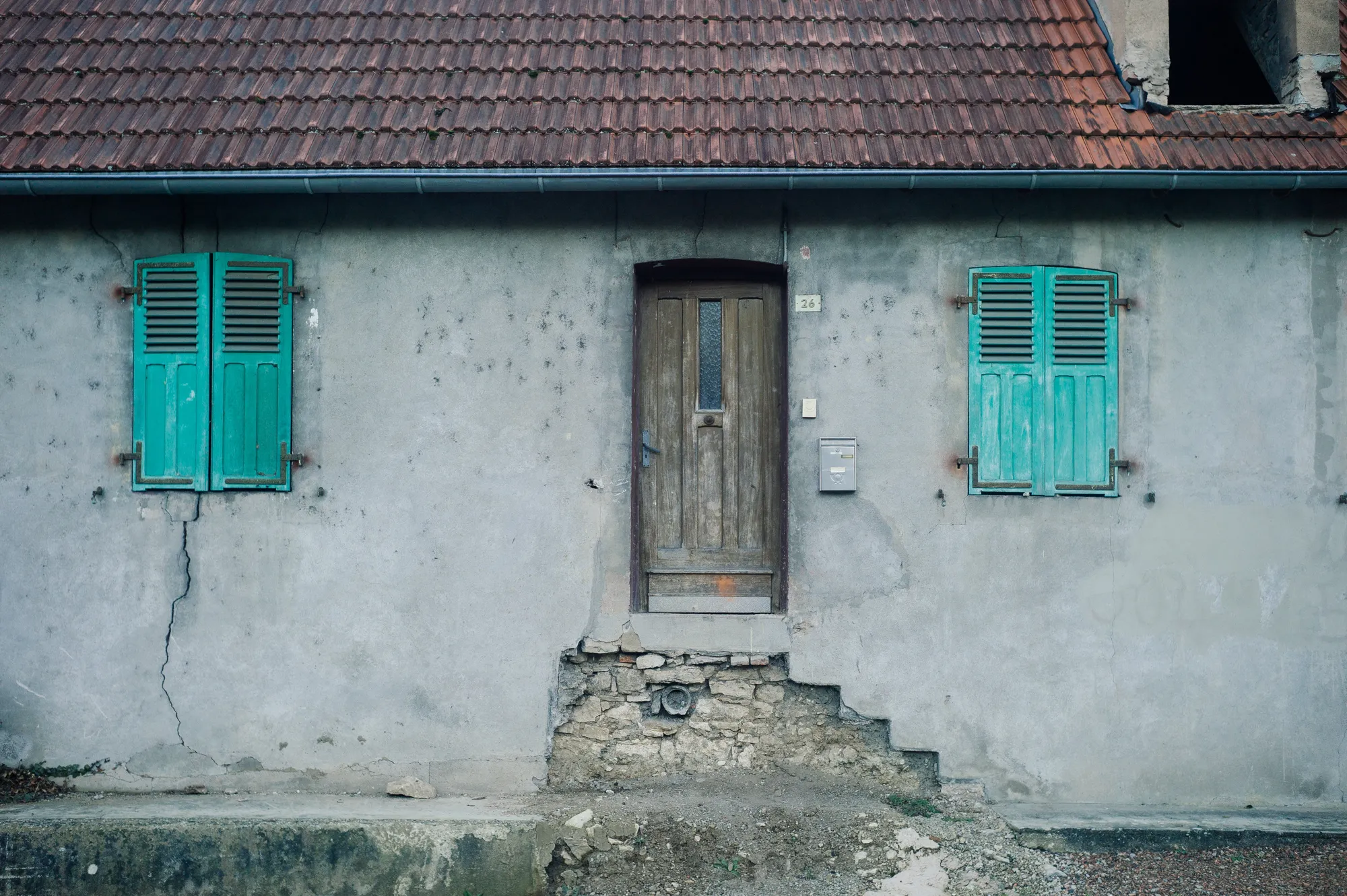
Is Buying a Fixer Upper Worth it?
Is it a wise decision to buy a fixer upper? It seems like a great deal on the surface, but there are many hidden costs and potential headaches that come with renovating an older property. On one hand, buying a fixer upper can be a way to get more for your money, but on the other hand it may cost you much more than you expect.
Before taking on a fixer upper, it's important to ensure that your financial situation is strong enough to cover the cost of repairs, renovations, and necessary updates. This includes calculating all potential costs associated with the project — from materials to labor. Don’t forget about any unanticipated surprises that could pop up during the renovation process. If you aren’t able to shoulder these costs, then buying a fixer upper might not be worth it in the long run. Take time to weigh your options carefully and make sure you're making an informed decision.
When deciding which projects to DIY and which to outsource, it’s important to factor in not just the cost but also how much time and effort will be needed. Smaller jobs such as painting may be doable, but larger tasks like plumbing or electrical are best left to professionals. Consider your skillset, experience level, and the amount of time you have available for each project before diving in. If it’s a sizable task that requires a professional, it’s best to consult with an expert in order to avoid any costly mistakes or safety issues.
In addition, make sure you know what permits and inspections are required by local authorities - they could add further expenses if they require costly updates or repairs down the road. Lastly, don't forget about unexpected surprises that can pop up during renovations — these could add even more unplanned costs onto your plate.
The potential for resale value should also factor into your decision-making process when considering whether or not to purchase a fixer upper. Many times, people will buy a house for far less than its market value in order to make improvements and turn around a profit when they resell — however it doesn't always work out as planned! Don't let yourself get too hung up on potential return numbers when making this decision because there's no guarantee of future profits from renovation projects.
At the end of the day, only you can decide if buying a fixer upper is worth it or not. Take into account all of the above factors before committing so that you can determine what's best for your circumstances and long-term goals!
FAQs
Is buying a fixer-upper worth it if I want to save money?
It can be, but the purchase price alone does not determine whether a fixer-upper is a good deal. You need to account for materials, labour, permits, inspections, required updates, and unexpected repairs before comparing the total cost with the value of a move-in-ready home.
How do I estimate the true cost of renovating a fixer-upper?
Start by pricing every planned repair, including materials and professional labour. Add room in your budget for surprises that may appear once walls, floors, plumbing, or electrical systems are opened, and confirm local Saskatchewan permit and inspection requirements before you buy.
Which fixer-upper projects should I do myself, and which should I hire out?
Smaller jobs such as painting may be suitable for a capable homeowner with enough time. Plumbing, electrical work, and other major projects are generally best handled by qualified professionals because mistakes can create safety problems, permit issues, and higher costs.
What should I inspect before buying an older home that needs renovations?
Look closely at the home's major systems and structure, including plumbing, electrical components, and any areas that may require costly updates. A professional inspection can help identify hidden problems and clarify which repairs may be required by local authorities before or during the renovation.
Can renovating a fixer-upper guarantee a profit when I resell it?
No, renovation work does not guarantee a future profit. Resale value should be part of your decision, but market conditions, renovation costs, delays, and unexpected problems can reduce or eliminate the return you hoped to make.
Enjoy this blog post? Click here to subscribe for updates
Leave A Comment