
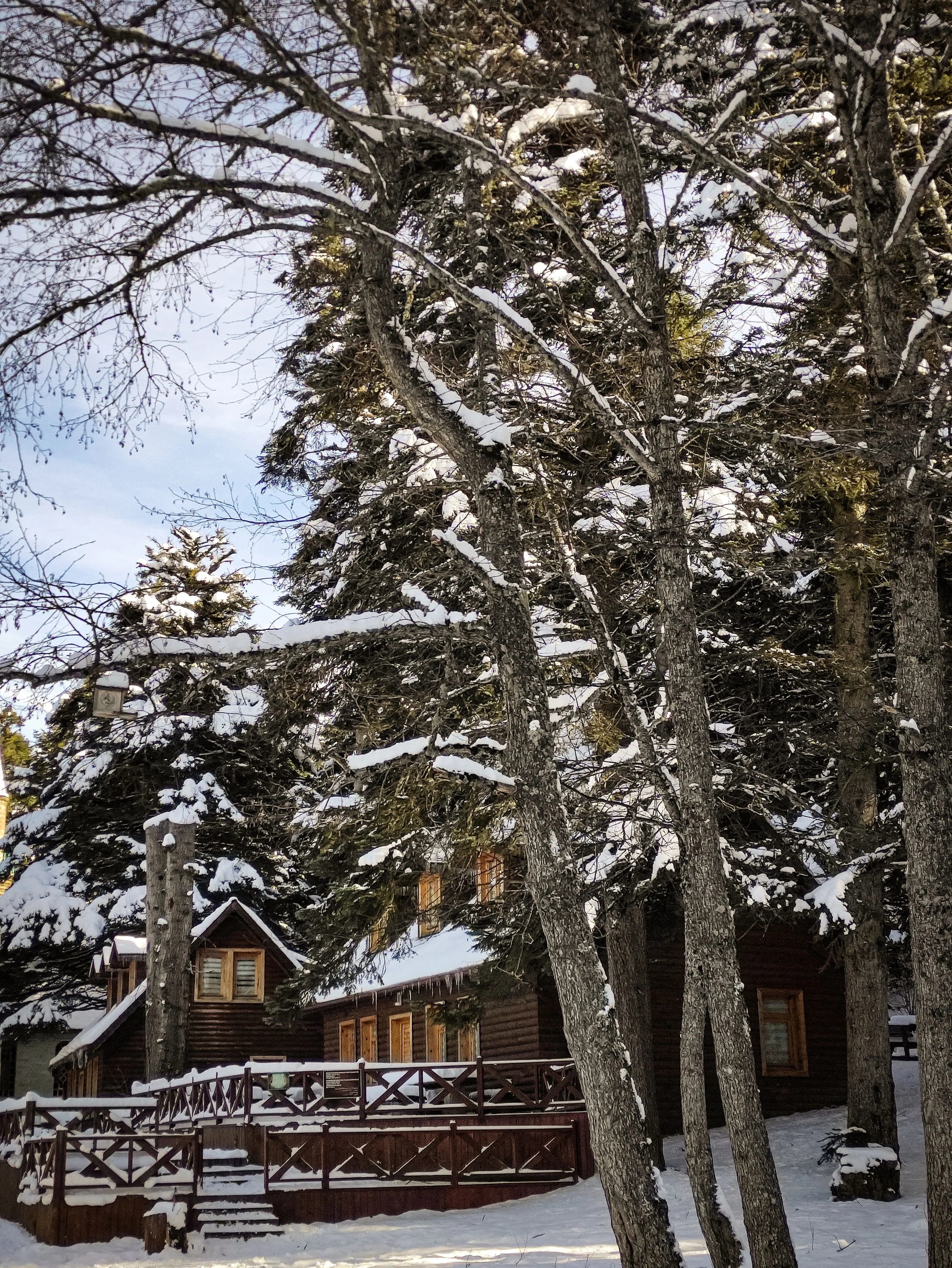
Year-Round Living in Lakeland: Is It Right for Your Lifestyle?
For many people, Lakeland brings to mind summer weekends at the lake, afternoons on the water and evenings around the fire. But the Emma Lake and Christopher Lake area isn't only a summer destination. For the right buyer, year-round living in Lakeland, Saskatchewan can offer a completely different way of life.
The District of Lakeland No. 521 includes Emma, Christopher, Anglin and McPhee Lakes and the surrounding boreal forest region. While the population and activity increase significantly during summer, there is an established year-round community with municipal services, local businesses and recreational opportunities throughout the seasons.
The question isn't necessarily whether you can live at the lake all year. You can. The better question is whether the lifestyle and the property you choose are right for you.
What Is Year-Round Life in Lakeland Actually Like?
Living at the lake full-time is different from spending a few summer weekends at the cabin.
Summer still has everything people love about Lakeland: boating, beaches, fishing, golfing, campfires and long evenings outdoors. But once fall arrives and seasonal residents begin heading home, the area changes.
There is less traffic. The beaches become quiet. Mornings are peaceful. And winter turns the area into an entirely different recreational destination.
Great Blue Heron Provincial Park has groomed winter trails for cross-country skiing and snowshoeing, along with an interconnected snowmobile trail system linking areas around Emma, Christopher and Anglin Lakes.
If your idea of a great winter includes snowmobiling, skiing, ice fishing, walking through the forest or simply enjoying a quiet snowy morning from your living room, Lakeland can be pretty hard to beat.
You Aren't Completely Leaving Civilization Behind
One of the advantages of choosing the Emma Lake and Christopher Lake area over a more isolated Saskatchewan lake is the amount of infrastructure and services already established nearby.
Christopher Lake has everyday amenities including food, fuel, restaurants and local businesses, while the District of Lakeland maintains roads and is responsible for services including waste management, drainage and municipal infrastructure. The District also maintains winter snow-management programs.
The area also has a surprisingly broad range of trades and services. The District's business directory includes plumbers, heating contractors, snow-removal companies, internet providers, property-maintenance businesses and water and septic hauling services.
That doesn't mean you'll have every convenience five minutes from your front door. It does mean year-round lake living here can be more practical than buyers sometimes expect.
Not Every Cabin Is a Year-Round Home
This is probably the biggest distinction buyers need to understand.
A property may be advertised as a cabin at Emma Lake without necessarily being suitable for comfortable January living.
Some properties were designed specifically as seasonal cottages, while others function much more like conventional homes. Lakeland also has a wide variety of ownership and property types, ranging from smaller recreational properties and leased-land opportunities to substantial year-round homes and lakefront properties.
If you're buying with the intention of living there all year, look beyond the appearance of the house.
Important questions include:
- What is the primary heat source, and is the home adequately insulated for a Saskatchewan winter?
- How is water supplied during the winter?
- What type of septic or wastewater system does the property have?
- Is the road maintained throughout the winter?
- Is there reliable internet and cellular service at this particular property?
- Is the foundation designed for year-round use?
- Are water lines protected against freezing?
- Is the property owned land, leased land or part of another ownership arrangement?
- Can the property be financed and insured as you intend to use it?
These details can make a much bigger difference to your experience than whether the home has the nicest kitchen or the best view.
Winter Access Matters
A beautiful property at the end of a quiet road can feel perfect in July.
In January, your perspective might change.
When you're considering a year-round Lakeland property, think about what your normal winter routine would actually look like. How quickly is your road typically cleared? Who is responsible for clearing your driveway? Is there enough space to store snow? How easy is the property to access after a major snowfall?
The District's Public Works department is responsible for road maintenance, and its current strategic plan specifically includes roadway maintenance and a municipal snow-removal program.
The exact situation can still vary by property and location, so road access is something I recommend buyers investigate individually rather than making assumptions based simply on the community name.
Water and Septic Systems Deserve Extra Attention
City buyers are accustomed to turning on the tap and rarely thinking about where the water comes from or where it goes.
Lake property can be different.
Depending on the property, water and wastewater arrangements can vary significantly. Some homes may have wells, tanks, hauled water, septic systems or other setups.
This isn't necessarily a downside. It simply means you need to understand what you're buying.
If you're planning to live in Lakeland year-round, you'll want to know how the system performs in winter, what routine maintenance is required and what the typical operating process looks like.
The local area does have businesses offering year-round septic services and water hauling, which helps support permanent residents.
What About Families?
Year-round lake living isn't limited to retirees or people working remotely.
Christopher Lake has an established public school, and the broader community offers recreation programs and activities through organizations including the Lakeland Recreation Board and CPL Recreation.
For families, though, location becomes particularly important.
Consider school transportation, extracurricular activities, daycare or childcare needs, appointments and how often you're likely to travel into Prince Albert.
The drive may seem insignificant when you're heading to the lake for a relaxing weekend. It feels different when you're making it several times per week for hockey practices, groceries or appointments.
Thinking about your actual weekly routine before buying will help determine whether full-time lake living is realistic for your family.
The Biggest Advantages of Living in Lakeland Year-Round
For people who love the lifestyle, the advantages can be substantial.
You're surrounded by nature instead of traffic. Recreation is practically outside your front door. Summer isn't something you spend waiting for Friday afternoon so you can drive to the cabin - you're already there.
Then there are the quieter seasons.
Fall around Emma Lake is beautiful. Winter opens up snowmobiling, skiing and snowshoeing. Spring brings another peaceful stretch before the summer population returns.
For someone who values outdoor recreation, privacy and a slower pace, the appeal goes well beyond owning a vacation property.
Your cabin becomes home.
The Trade-Offs Are Worth Considering Too
Lake living isn't for everyone, and that's okay.
You'll likely do more planning than you would living in the middle of Prince Albert or Saskatoon. Some errands require a longer drive. Property maintenance can be different. Snow clearing becomes more important. Depending on the property, you may need to think about septic servicing, water systems, generators or winterizing outdoor equipment.
You should also consider how much you enjoy quiet.
People often say they want peace and privacy, but living somewhere permanently is different from enjoying that quiet for two weeks in August.
If you prefer having dozens of restaurants, large grocery stores, entertainment and services minutes away, full-time lake living may feel isolating.
If a morning walk through the forest sounds considerably better than sitting in traffic, you may have the opposite reaction.
Summer and Winter Can Feel Like Two Different Communities
Another consideration is the seasonal change in activity.
Summer at Emma and Christopher Lake can be busy. Cabins fill up, boats return to the water, beaches become active and seasonal businesses are in full swing.
Then September arrives and everything begins slowing down.
Some year-round residents love having both versions of Lakeland: an energetic recreational community during summer and a quiet retreat through the winter.
Understanding that rhythm before you move can help you decide whether it's exactly what you're looking for.
Should You Buy a Year-Round Home or a Seasonal Cabin?
That depends on what you actually want from the property.
If your goal is summer weekends and a few longer vacations each year, paying a premium for features necessary for full-time winter living may not be important.
But if you eventually see yourself retiring at the lake, working remotely from Lakeland or making it your permanent home, buying a property already designed for four-season use could save you significant work later.
Sometimes buyers purchase a less expensive seasonal cabin believing they can easily convert it later. Depending on its foundation, insulation, plumbing, heating and water systems, that transformation may be more complicated than expected.
It's worth deciding how you realistically expect to use the property over the next five or ten years before you buy.
Is Year-Round Living in Lakeland Right for You?
You may be a good fit for year-round Lakeland living if you value nature and privacy, enjoy outdoor activities in every season, don't mind driving farther for some services and prefer a quieter lifestyle.
It can also be a great option for buyers whose work gives them location flexibility or people who are ready to move away from city life without giving up access to an established community.
But the right property matters just as much as the right lifestyle.
Two cabins located only a few kilometres apart can have completely different heating systems, water sources, ownership structures, road access and winter usability. That's why buying lake property requires a little more investigation than choosing a conventional home in the city.
Thinking About Making Emma Lake Home?
I've spent much of my life around Emma Lake, and today I own a property here myself. That personal connection to the area gives me a different perspective when helping buyers compare communities and properties around Lakeland.
If you're considering a move to Emma Lake, Christopher Lake or the surrounding area, I can help you look beyond the listing photos and determine which properties actually make sense for the way you want to use them.
Whether you're searching for a summer cabin, a four-season getaway or a place you can truly call home 365 days a year, the goal is the same: finding the Lakeland property that fits your lifestyle.
FAQs
Can you live at Emma Lake year-round?
Yes. There are year-round residents throughout the Emma Lake and Christopher Lake area, along with municipal services and businesses operating beyond the summer season. However, not every cabin is designed for four-season living, so buyers should confirm heating, insulation, water, septic and winter-access details before purchasing.
What should I look for when buying a year-round property in Lakeland?
Pay particular attention to the heating system, insulation, foundation, winter water supply, septic or wastewater system, road access, snow removal, internet service and ownership structure. Financing and insurance requirements should also be confirmed before removing conditions on a purchase.
Are services available around Emma Lake and Christopher Lake during winter?
Yes, although the selection isn't the same as you'd find in a larger city. The area has year-round residents and access to essentials including fuel, food and local services. The District of Lakeland also provides municipal services such as road maintenance and waste management. Individual business hours can vary seasonally.
Can I finance a year-round cabin at Emma Lake?
Potentially, but financing depends on the individual property. Lenders may consider factors including the foundation, permanent heat source, year-round access, water system, condition and whether the land is owned or leased. It's best to have your lender review the specific property rather than assuming every cabin will qualify for conventional financing.
Enjoy this blog post? Click here to subscribe for updates
Leave A Comment